7 Mistakes You're Making with 360 Degree Feedback (and How to Fix Them)
![[HERO] 7 Mistakes You're Making with 360 Degree Feedback (and How to Fix Them)](/blog-images/360-degree-feedback-mistakes/01-hero.webp)
Traditional 360-degree feedback is broken. You know the drill: HR spends weeks chasing managers to fill out spreadsheets, employees provide vague "good job" comments just to get the task off their plate, and the resulting report gathers digital dust in a folder somewhere.
As an HR leader or manager, you aren't just looking for data; you're looking for transformation. Yet, most 360-degree programs fail to move the needle on performance. Why? Because the process is often treated as a compliance checkbox rather than a growth engine.
If your feedback loops feel more like a chore than a competitive advantage, you're likely falling into one of these seven common traps. Here is how to identify them and, more importantly, how to fix them using modern, AI-driven strategies.
1. The Identity Crisis: Tying Feedback to Compensation
This is the cardinal sin of performance management. When you link 360-degree feedback directly to salary increases or promotions, you immediately kill honesty.
The Mistake: Employees recognize the high stakes. Instead of giving constructive, raw feedback that helps a colleague grow, they either "weaponize" the tool to hurt rivals or "sugarcoat" it to help friends. The result is a skewed dataset that helps no one.
The Fix: Decouple feedback from compensation. Use 360s strictly for developmental purposes. When the objective is self-awareness and professional growth rather than a dollar sign, trust increases.
Pro Tip: Clearly communicate the "Why" before you launch. Are you building leaders or auditing performance? For a deep dive into how to position these initiatives, check out our guide on the AI feedback revolution.
2. The "Text-Box" Fatigue: Capturing Surface-Level Data
Most 360 tools rely on a series of text boxes. By the time a rater gets to their fifth review of the day, their brain is fried. You end up with one-word answers like "Great" or "Needs improvement" that provide zero context.
The Mistake: Relying on written input creates "rater fatigue." Important nuances, the "how" and "why" behind a behavior, are lost because typing is high-friction and time-consuming.
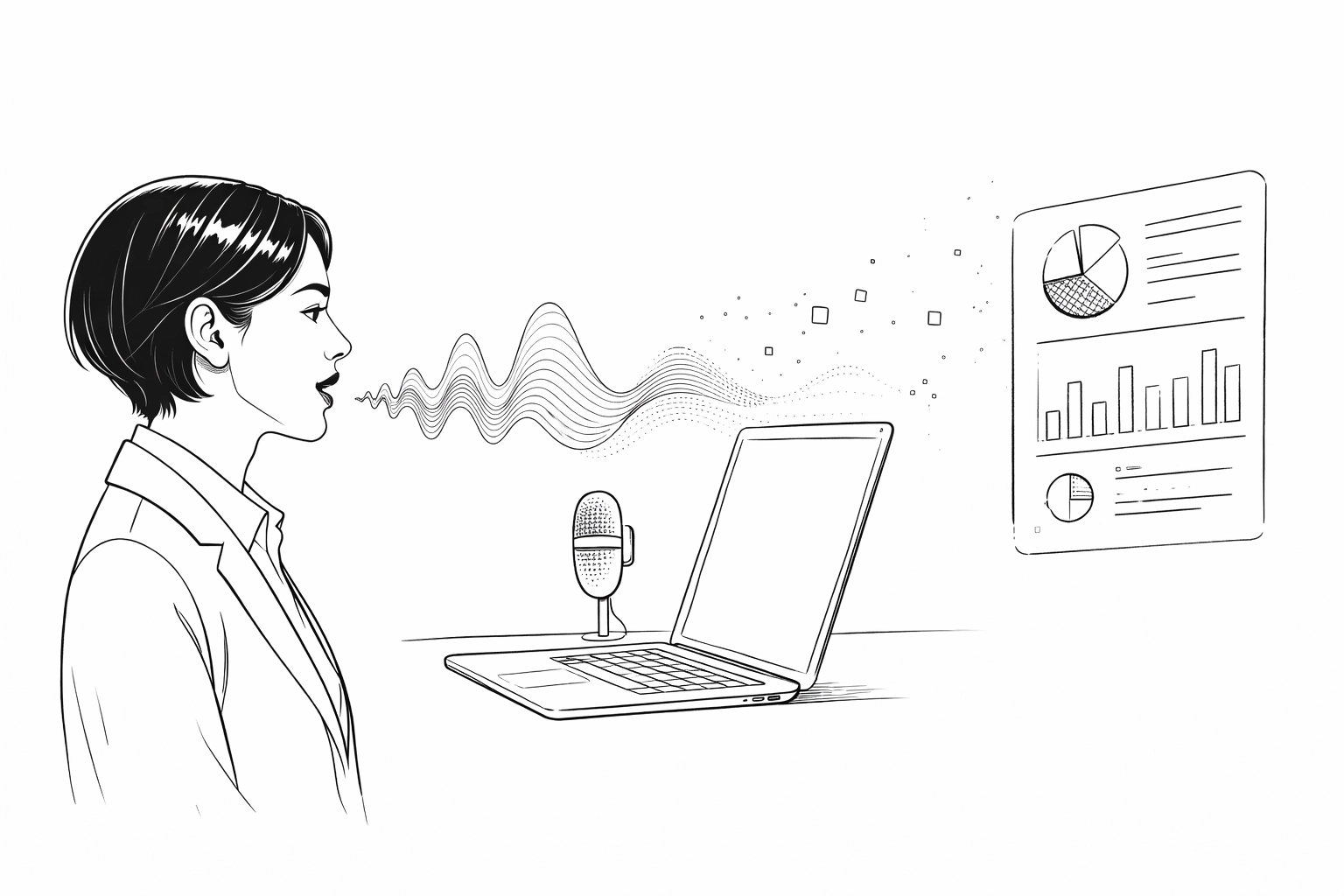
The Fix: Transition to voice-enabled feedback. At Voiceboard.ai, we've found that leaders share 3x more detail when they speak their feedback rather than type it. Voice captures tone, urgency, and specific anecdotes that a text box simply can't.
3. The Administrative Nightmare: Manual Overhead
If your HR team spends more time managing the process than coaching the people, your 360 program is a cost center, not a value driver.
The Mistake: Manual rater selection, constant "nudging" emails, and the painful process of aggregating data into PDFs. This overhead leads to "360 burnout," where the organization dreads the feedback cycle before it even begins.
The Fix: Automate the logistics. Use a platform that handles the follow-ups and data synthesis automatically. This allows HR to transition from "Process Police" to "Growth Strategists." By reducing friction, you ensure higher participation rates and more timely data.
4. The "Black Hole" Effect: Lack of Actionable Steps
The most common complaint from employees regarding 360s is: "I got the feedback, but now what?"
The Mistake: Delivering a 20-page report without a roadmap. Raw data doesn't change behavior; structured action does. Without a clear follow-up plan, the feedback becomes a source of anxiety rather than a catalyst for change.
The Fix: Every feedback report must be accompanied by an automated growth plan. This is where AI changes the game. Instead of a manager guessing how to improve "Strategic Thinking," Voiceboard.ai generates specific, time-bound micro-actions based on the feedback received.
Expert Insight: Feedback without a plan is just noise. To be effective, feedback must be converted into a "Leadership Development Plan" within 48 hours of the debrief.
5. Rater Bias and the "Loudest Voice" Syndrome
Not all feedback is created equal. Sometimes, a single outlier, a disgruntled direct report or a biased peer, can derail an entire report.
The Mistake: Treating every comment with equal weight. Traditional reports often highlight "The One Negative Comment," causing the recipient to fixate on a single outlier rather than broad patterns.
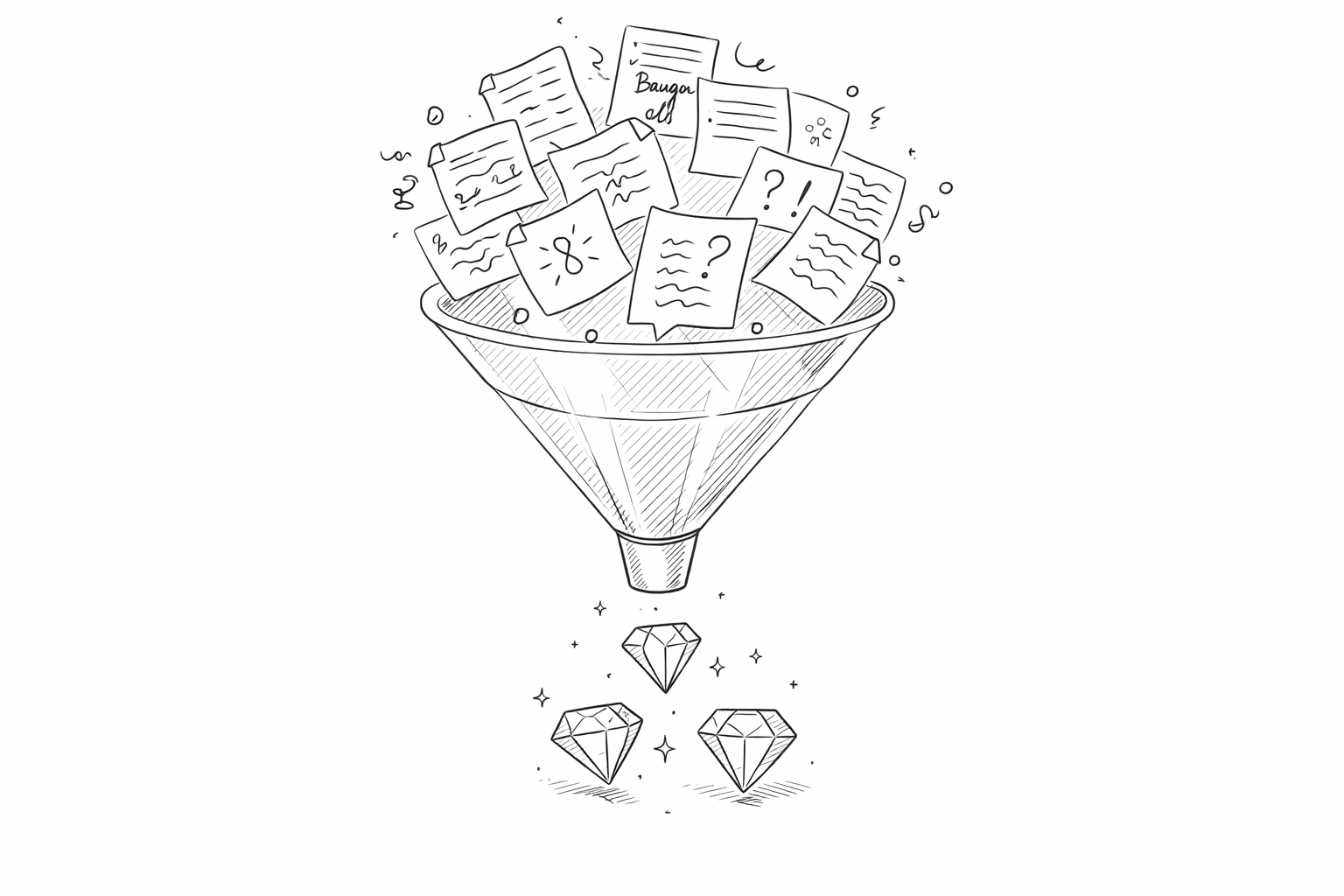
The Fix: Use AI to detect patterns and filter bias. Modern leadership tools can synthesize dozens of inputs to identify recurring themes while flagging anomalies. This helps the leader focus on the 20% of feedback that will drive 80% of their growth.
6. The "One-and-Done" Fallacy
Many companies run a 360 once a year. This assumes that leadership growth happens in annual leaps. It doesn't. It happens in daily, incremental shifts.
The Mistake: Treating 360-degree feedback as an "event" rather than a "rhythm." By the time the next year rolls around, the previous feedback is obsolete, and the leader has likely reverted to old habits.
The Fix: Implement Continuous Development. This is where our AI coach, Echo, steps in. After the initial 360, Echo provides ongoing prompts and check-ins to ensure the leader is actually implementing their growth plan. Think of it as a personal trainer for your leadership skills that lives in your workflow.
If you're wondering how to start this journey, consider starting with a leadership self-assessment to benchmark where your team stands today.
7. Ignoring the "Human" in the High-Tech Process
While AI and automation are essential, they shouldn't replace the human element, they should empower it.
The Mistake: Delivering feedback via email with no context or human support. Feedback can be emotional. If an employee feels attacked by an algorithm, they will shut down.
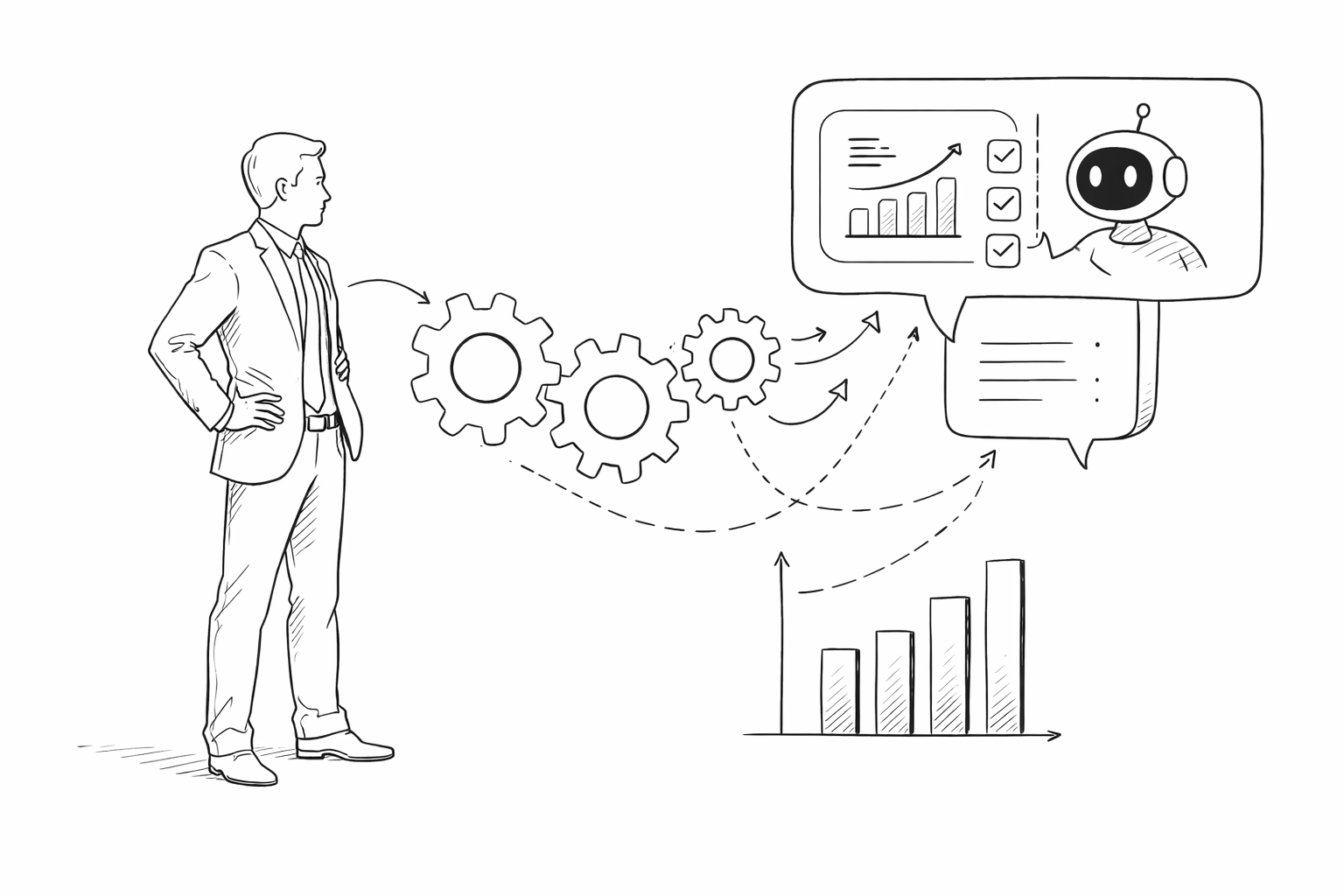
The Fix: Use AI to do the heavy lifting (data gathering and synthesis) so that humans can do the "heavy heart" work (coaching and empathy). The goal of Voiceboard.ai isn't to replace the manager; it's to give the manager the insights they need to have a meaningful 1-on-1 conversation.
The Modern Way Forward: Voiceboard.ai
The traditional 360-degree feedback model is too slow, too biased, and too administrative for the modern workplace. HR leaders today need tools that are as agile as the teams they support.
By shifting to a voice-enabled, AI-powered feedback loop, you solve the three biggest hurdles in performance management: Friction, Quality, and Action.
- Voice-Enabled Feedback: No more typing fatigue. Richer, deeper insights captured in seconds.
- AI-Generated Growth Plans: Turn data into a "Monday-morning" action plan automatically.
- Echo AI Coach: Ensure development doesn't stop when the report is closed. Continuous coaching for continuous growth.
Are You Ready to Fix Your Feedback?
Stop wasting hours on processes that don't produce results. It's time to move beyond the spreadsheet and into the future of leadership development.
Take the next step:
- Explore our latest blog posts for more leadership insights.
- See the platform in action at app.voiceboard.ai.
- Learn why AI is the ultimate partner in growth, but also understand the one role AI can't replace.
Leadership isn't a destination; it's a practice. Let's make that practice effortless.